How Small Animals Impact Commercial Buildings and Business Operations
Commercial small animal removal professionals can help prevent damage and disruptions caused by small animals impacting commercial buildings and business operations.
Understanding how small animals impact commercial buildings and business operations is essential for property owners seeking to maintain a safe and efficient environment. Small animals such as rodents, squirrels, and birds can cause significant issues that disrupt daily activities, damage property, and compromise health standards. Recognizing these potential impacts helps business owners and facility managers prioritize effective prevention and removal strategies, which are often best handled by experienced local contractors specializing in small animal removal services.
Exploring this topic can reveal practical reasons to work with local service providers who understand the unique challenges faced in the area. These professionals can assess the specific risks small animals pose to a commercial property and implement targeted solutions to prevent infestations or resolve existing ones. Keeping small animals out of buildings not only protects physical assets but also supports smooth business operations, making it worthwhile for property owners to stay informed and consider professional assistance when needed.
- Commercial building inspections - local contractors identify signs of small animal activity that could disrupt business operations and recommend removal strategies.
- Rodent exclusion services - businesses experiencing rodent sightings or damage seek local pros to prevent infestations that can compromise health and safety.
- Bird control solutions - facilities dealing with bird droppings or nesting issues contact local service providers to mitigate damage and maintain cleanliness.
- Squirrel removal - commercial properties with evidence of squirrel intrusion request local pros to eliminate pests that threaten wiring and structural integrity.
- Wildlife exclusion and cleanup - businesses facing ongoing small animal problems work with local contractors to prevent future invasions and restore building condition.
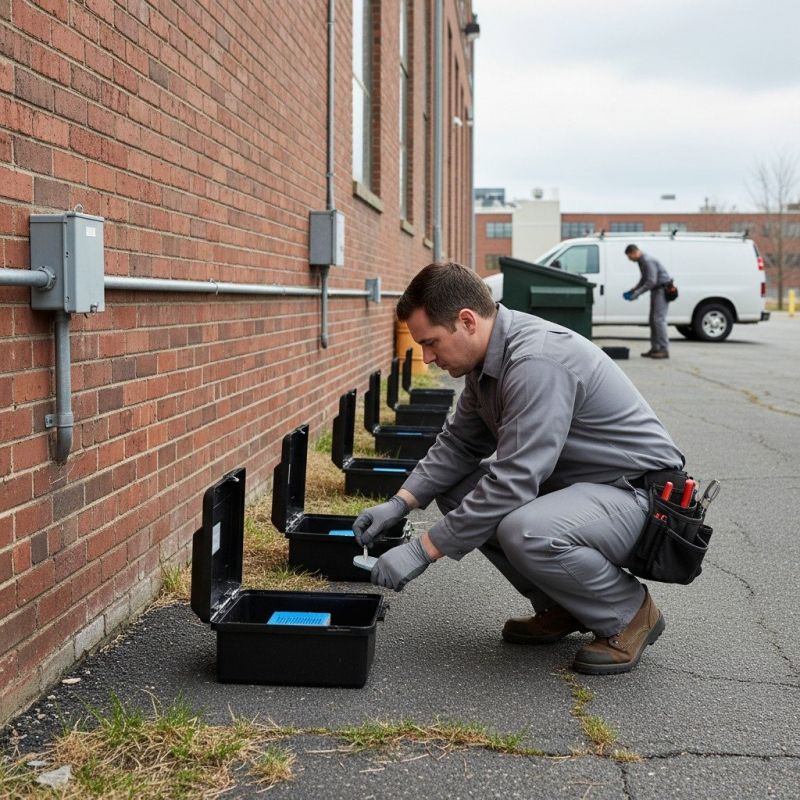
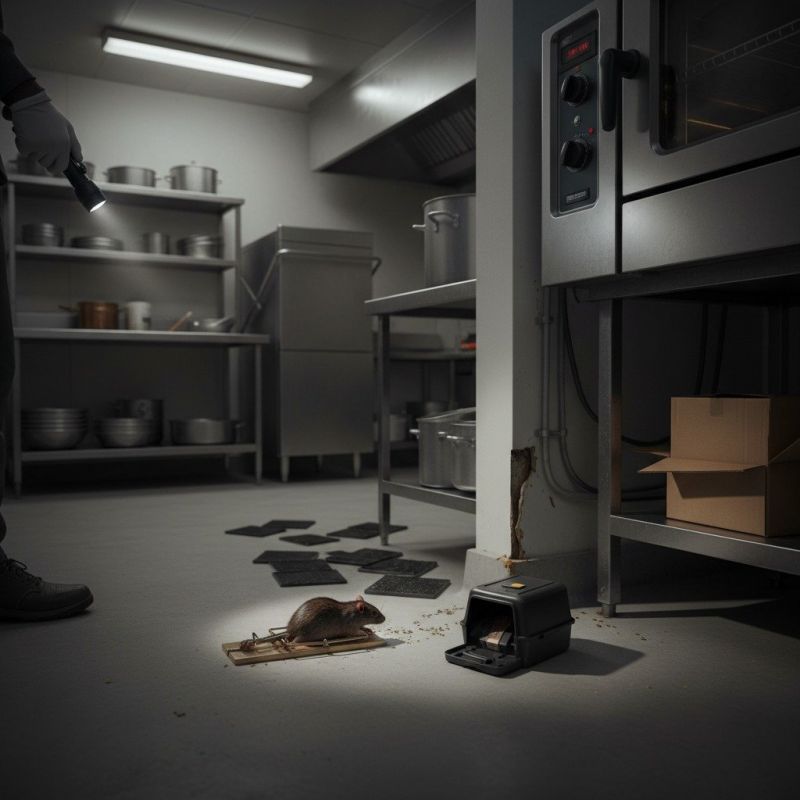
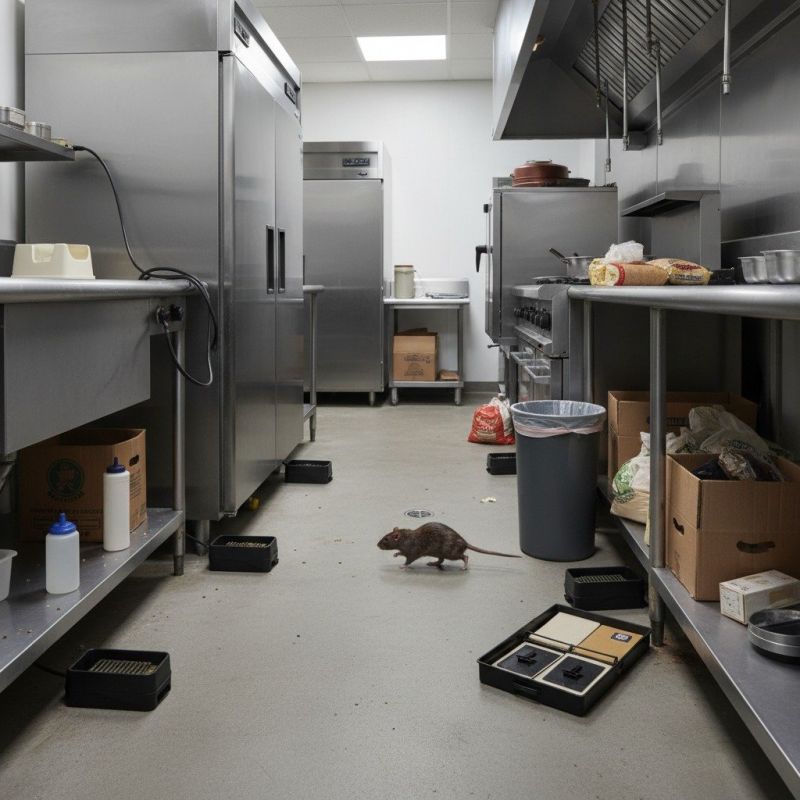
When people search for how small animals impact commercial buildings and business operations, they are often concerned about the potential disruptions these animals can cause to their property and daily activities. Small animals such as rodents, squirrels, and birds can find ways into commercial spaces, leading to issues like property damage, health risks, and operational interruptions. Business owners and property managers want to understand the risks associated with these animals and learn how to prevent or address infestations effectively. The focus is usually on identifying signs of animal activity, understanding the types of animals involved, and finding reliable solutions to keep the premises secure and functional.
This topic is closely related to problems such as property damage, sanitation concerns, and the risk of disease transmission. Small animals can gnaw through wiring, insulation, and structural components, which may lead to costly repairs or fire hazards. Additionally, their droppings and nesting materials can contaminate food storage areas and workspaces, creating health concerns for employees and customers. Many property owners also develop plans for ongoing pest prevention or seek immediate removal services when signs of small animal activity are detected. These efforts aim to minimize operational disruptions, protect assets, and maintain a safe environment for everyone inside the building.
The types of properties most often involved in discussions about small animals are commercial buildings with accessible attics, crawl spaces, or roof areas. Warehouses, retail stores, office complexes, and industrial facilities frequently come up because they often have structural features that allow small animals to enter and nest. These properties tend to have large, open spaces and less frequent inspections, which can make them attractive targets for rodents and other small animals. Additionally, buildings located near wooded areas, parks, or water sources may be more prone to infestations. Understanding the property type helps in choosing appropriate removal strategies and working with service providers who are experienced in handling the specific challenges posed by different building layouts.
For property owners and managers, recognizing how small animals impact commercial buildings and business operations highlights the importance of working with experienced service providers. Local pros who specialize in small animal removal can assess the property, identify entry points, and implement effective exclusion methods. They also provide humane removal services and assist with sealing entryways to prevent future infestations. This collaboration helps ensure that small animals are safely and efficiently removed, reducing the risk of damage and disruption. Connecting with trusted local contractors can make a significant difference in maintaining a secure, operational space and avoiding the costly consequences of unmanaged small animal activity.
Wildlife Damage Prevention Projects - these projects involve strategies to prevent small animals from causing damage to commercial structures, requiring planning skills similar to those used in animal removal services.
Building Inspection and Pest Entry Point Assessments - identifying how small animals gain access to buildings involves inspection techniques comparable to those used in small animal exclusion and removal.
Structural Repairs and Reinforcement Projects - repairing and reinforcing building entry points aligns with the skills needed to secure buildings against small animal intrusion.
Commercial Property Maintenance Planning - developing maintenance plans to minimize pest and animal issues involves planning and assessment skills relevant to small animal impact mitigation.
Wildlife Habitat Modification Projects - modifying landscapes around commercial sites to deter animals shares planning and environmental assessment skills with small animal control efforts.
Integrated Pest Management (IPM) Programs - implementing comprehensive pest control strategies requires coordination and planning similar to small animal removal services for business buildings.
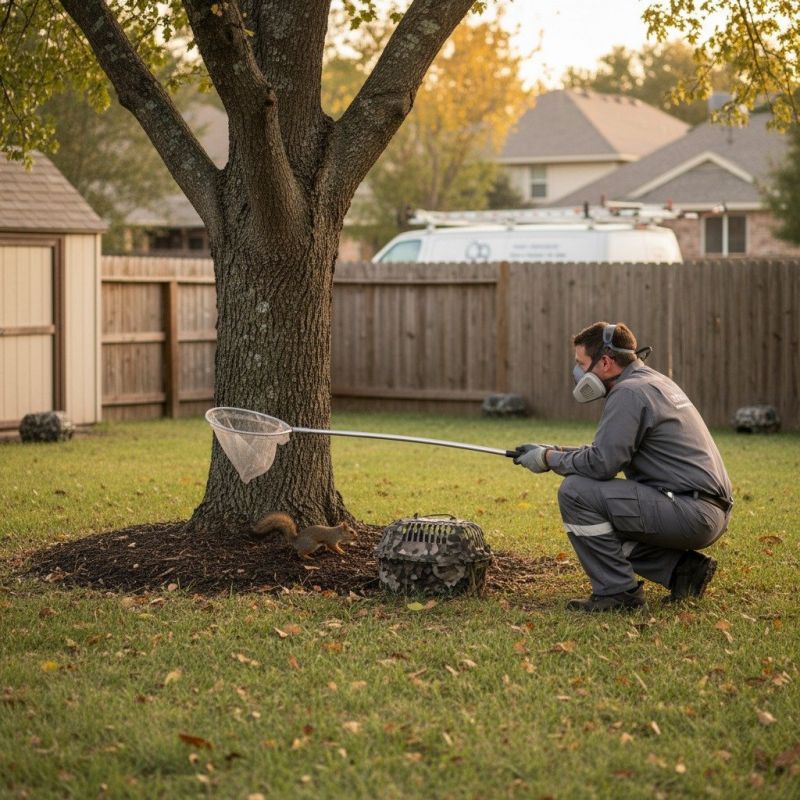
When comparing service providers for commercial small animal removal, it is important to consider their experience with similar projects. Service providers who have handled small animal issues in commercial buildings will be more familiar with the unique challenges these situations present, such as the potential for property damage or disruption to business operations. An experienced contractor can offer insights into effective removal techniques and prevention strategies, helping to ensure the issue is addressed thoroughly and efficiently. Asking for details about their past work with commercial clients can provide a clearer picture of their expertise and how well they understand the specific needs of business environments.
Clear, written expectations are essential when choosing a provider for small animal removal services. Service providers should be able to outline their process, including inspection, removal, and prevention methods, in a way that is easy to understand. This transparency helps prevent misunderstandings and ensures that both parties are aligned on what the work entails. Well-defined expectations also make it easier to evaluate the scope of services offered and determine whether the provider’s approach aligns with the needs of the business, especially when it comes to minimizing operational disruptions.
Reputable references and good communication are key factors when selecting local contractors for small animal removal. Service providers with positive references from other commercial clients can offer reassurance of their reliability and effectiveness. Additionally, clear and prompt communication throughout the process helps keep business owners informed and involved, reducing uncertainty and facilitating smooth project management. By focusing on providers who maintain open lines of communication and can provide verifiable references, business owners can feel more confident in their choice of partner to address how small animals impact commercial buildings and operations.
Property owners often search for how small animals impact commercial buildings and business operations when they are planning practical projects around their homes and businesses. Local pros provide Commercial Small Animal Removal services for everyday jobs and straightforward project options.
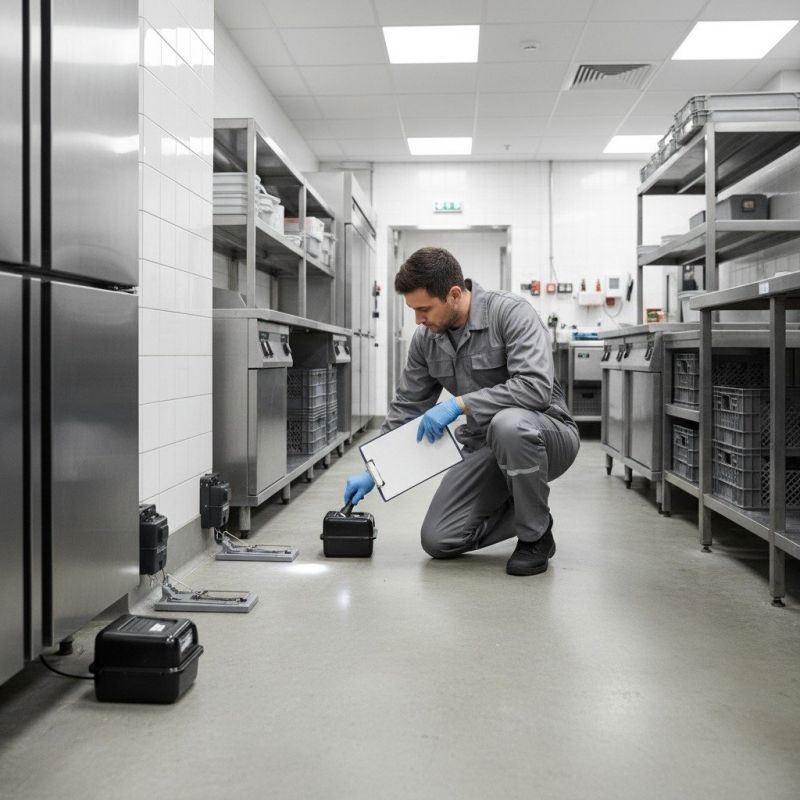
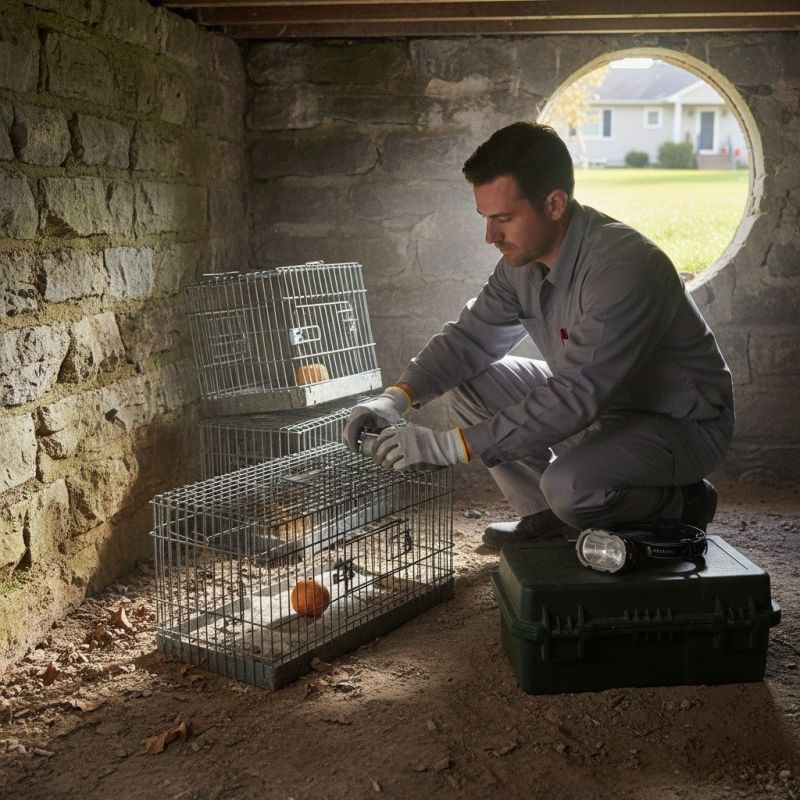
Small animals such as rodents, birds, and bats can cause significant disruptions in commercial buildings, impacting daily business operations. Their presence often leads to damage to insulation, wiring, and structural components, which can result in costly repairs and potential safety hazards. Property owners in the area might seek out commercial small animal removal services to address these issues promptly and prevent further damage, especially when signs of infestation are detected or when animals are found nesting in hard-to-reach areas.
In addition to structural concerns, small animals can also pose health risks by contaminating food storage areas, spreading diseases, or causing odors that affect the work environment. Business owners may look into local contractors specializing in small animal removal to ensure the problem is handled efficiently and humanely. These professionals can help maintain a safe, clean, and operational space, minimizing the impact on business continuity and protecting the property's integrity.
How can small animals affect the structural integrity of commercial buildings? Small animals such as rodents and birds can cause damage to building materials by gnawing on wires, insulation, and wood, potentially compromising the structural integrity of commercial properties.
What risks do small animals pose to business operations? Small animals can lead to contamination of products, damage to electrical systems, and disruptions caused by infestations, all of which can hinder daily business activities.
Why is it important to address small animal presence promptly? Ignoring small animal activity can result in increased damage, health hazards, and higher repair costs, making early removal essential for maintaining a safe and operational environment.
How do small animals impact health and sanitation in commercial spaces? Small animals can carry diseases and leave droppings, urine, and nesting materials that pose health risks and require professional removal to ensure sanitation standards are met.
What role do local contractors play in managing small animal impacts on buildings? Local service providers can identify, remove, and prevent small animal infestations, helping to protect the building’s condition and ensure business operations continue smoothly.
Identifying entry points - property owners can work with local contractors to locate small animal entry points, preventing future infestations that disrupt business operations.
Implementing exclusion measures - applying sealing and barrier techniques with small animal removal services helps keep animals out of critical areas like warehouses and offices.
Managing nesting sites - removing nests and debris in and around buildings reduces the risk of damage and contamination that can affect daily operations.
Establishing ongoing monitoring - regular inspections by local pros can detect early signs of small animal activity, minimizing potential disruptions to business functions.
If you are thinking about how small animals impact commercial buildings and business operations for a property, this guide is meant to help you understand this topic, the typical project types, and how different options might fit your plans.
When you are ready, you can use the quote form on this page to share a few details about your project. From there, local pros can review the basics and follow up with options that match what you have in mind.