Signs Your Commercial Property Has a Small Animal Issue
If you notice signs your commercial property has a small animal issue, local service providers can identify the problem and safely remove the animals.
Understanding the signs your commercial property has a small animal issue is essential for maintaining a safe and secure environment. Small animals like rodents or birds can often find ways into buildings, leading to damage, contamination, or health concerns if left unchecked. Business owners and property managers in the area may find it practical to familiarize themselves with common indicators-such as unusual noises, droppings, or chewed wiring-that suggest an animal presence. Recognizing these early warning signs can help prevent more significant problems down the line, making it worthwhile to explore professional small animal removal services offered by trusted local contractors.
Keeping an eye out for signs of small animal activity is a proactive step toward safeguarding a commercial space. Whether it’s noticing gnawed materials, strange odors, or signs of nesting, these clues can point to an underlying issue that needs attention. Local service providers specializing in small animal removal are equipped to handle these situations efficiently, helping property owners address the problem before it escalates. Continuing to read can provide valuable insights into identifying potential issues and understanding how experienced local contractors can assist in resolving small animal concerns effectively.
- Small animal removal - local contractors are called upon when signs of droppings or gnaw marks indicate a small animal presence on a commercial property.
- Exclusion services - property owners seek expert help when noticing nests or entry holes, prompting pros to seal openings and prevent further intrusion.
- Damage repair - signs of chewed wiring or insulation lead to small animal removal specialists who restore affected areas and secure the building.
- Inspection and assessment - visible signs like scratching noises or foul odors encourage property managers to have professionals evaluate the extent of the issue.
- Wildlife trapping - when small animals are detected inside walls or ceilings, local service providers employ humane trapping methods to remove them safely.
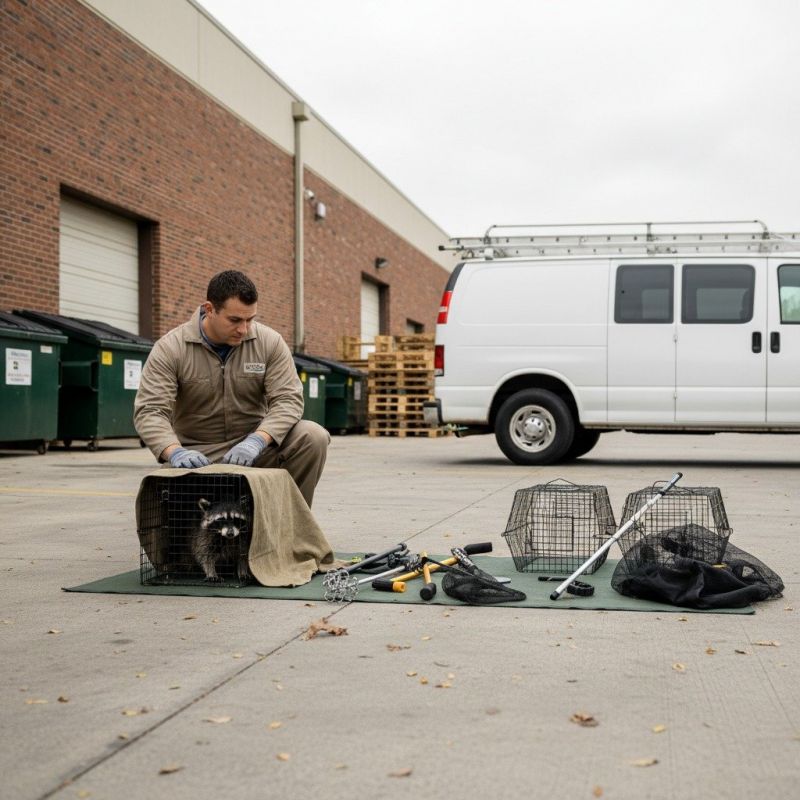
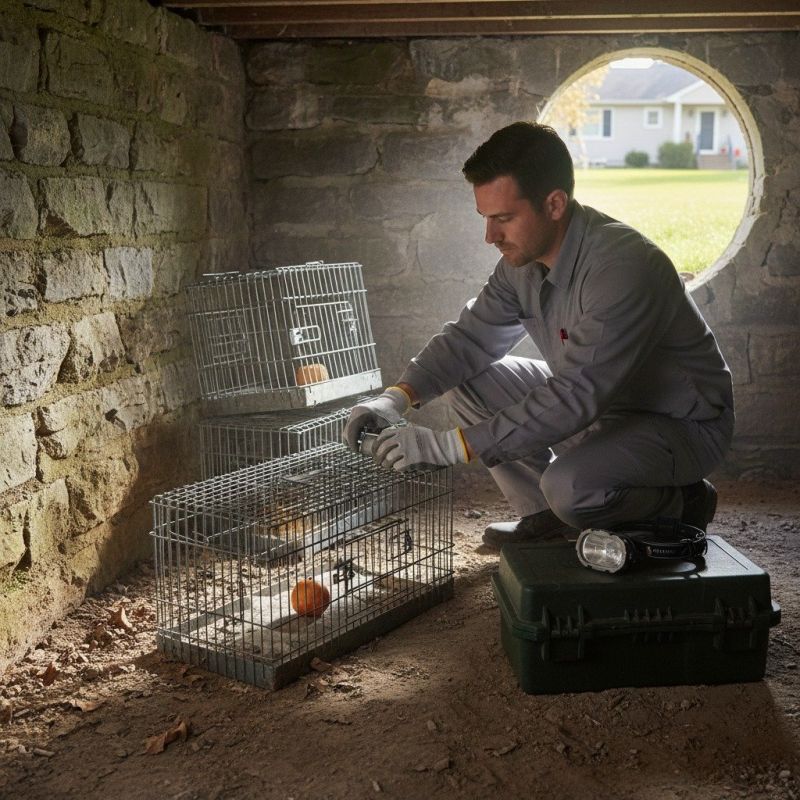
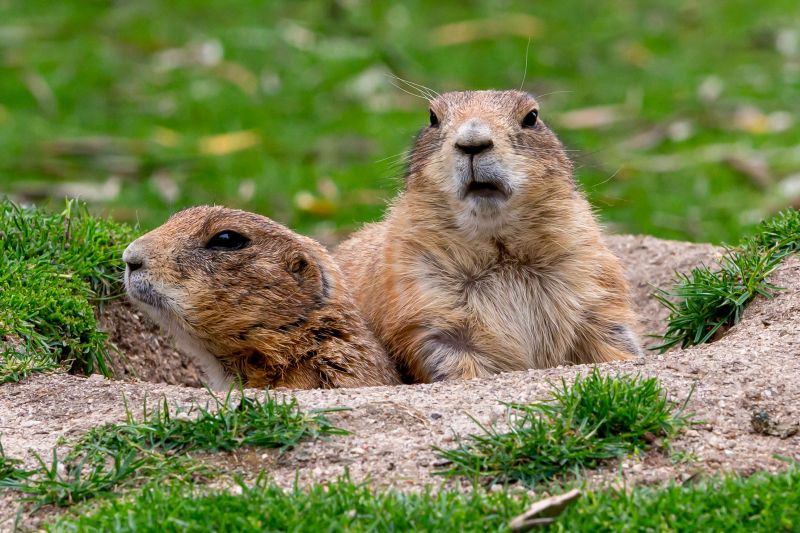
When searching for information about signs your commercial property has a small animal issue, most people are concerned about detecting early indicators of unwanted animal activity. This topic often comes up when property owners notice unusual disturbances or damage that could be caused by small animals such as rodents, squirrels, or other pests. Recognizing these signs early is important because small animals can quickly establish nests and cause extensive damage if left unaddressed. Business owners and property managers want to understand what to look for so they can prevent larger problems, protect their investments, and maintain a safe environment for employees and visitors.
This subject relates to a variety of problems and planning considerations for commercial properties. Small animals can compromise building structures by gnawing on wiring, insulation, or wood framing, which may lead to costly repairs or fire hazards. They can also contaminate food storage areas or create unsanitary conditions that impact health standards. Planning for small animal issues might include regular inspections, preventative measures, or the need for professional removal services. Many property owners seek out local service providers who specialize in small animal removal to handle infestations efficiently and safely, ensuring that the property remains secure and compliant with health regulations.
Types of properties most commonly affected by small animal issues include warehouses, retail stores, office buildings, restaurants, and multi-unit residential complexes. These properties often have ample storage areas, access points, or structural features that attract small animals seeking shelter and food. For example, warehouses with open storage or poorly sealed entry points are particularly vulnerable to rodent infestations. Similarly, restaurants and food-related businesses need to be especially vigilant because small animals can quickly contaminate food supplies. Recognizing the signs of an animal issue early on can help property owners determine when to involve local contractors who specialize in small animal removal.
Understanding the signs that indicate a small animal issue on a commercial property is essential for timely intervention. Common indicators include scratching noises within walls or ceilings, the sighting of small animals or droppings, gnawed wiring or packaging, and unusual odors. Property owners who notice these signs should consider consulting local service providers with experience in small animal removal. These professionals can assess the situation, identify entry points, and implement effective removal and exclusion strategies. Addressing small animal issues promptly helps prevent structural damage, health hazards, and ongoing infestations, making it a crucial step in maintaining a safe and functional commercial space.
Pest Inspection Services - Professionals who conduct detailed inspections for signs of small animal activity can identify entry points and nesting areas on commercial properties, similar to what is needed for small animal removal.
Building Damage Assessment - Contractors specializing in structural assessments can detect damage caused by small animals, which is often a key indicator of an infestation on commercial sites.
Wildlife Exclusion Services - These projects involve sealing entry points and preventing animal access, aligning closely with the skills used in small animal removal and prevention efforts.
Rodent Control Solutions - Experts in controlling rodents and similar pests have experience identifying signs of small animal issues and implementing targeted removal strategies.
Habitat Modification Projects - Modifying the environment to discourage animal nesting or burrowing is a common approach shared with small animal exclusion and removal services.
Structural Repair and Reinforcement - Repairing damage caused by small animals and reinforcing vulnerable areas require planning and skills similar to those used in small animal mitigation projects.
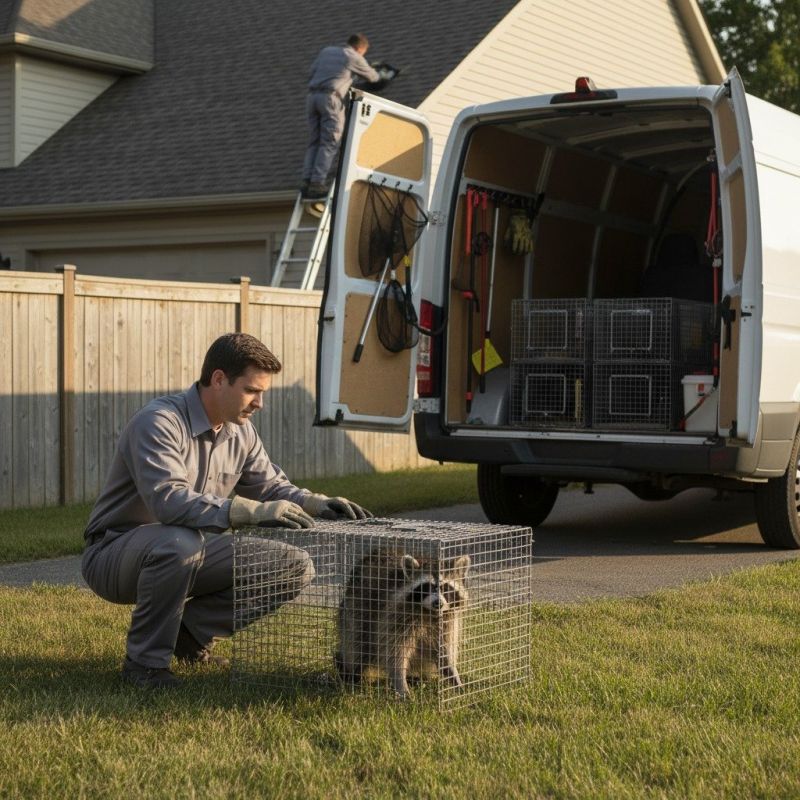
When comparing service providers for small animal removal on a commercial property, it is important to consider their experience with similar projects. A contractor with a history of addressing small animal issues in commercial settings is more likely to understand the specific challenges involved, such as access points, property layout, and types of animals commonly encountered. This experience can contribute to a more effective and efficient removal process, reducing the likelihood of recurring problems. When evaluating potential contractors, inquire about their past work with properties similar to yours to gauge their familiarity with the scope and complexity of small animal issues in commercial environments.
Clear written expectations are essential when selecting a service provider for small animal removal. A reputable contractor should be able to provide a detailed scope of work, outlining the steps involved in identifying, removing, and preventing future infestations. This documentation helps ensure that both parties have a shared understanding of the process and the responsibilities involved. It also serves as a reference point should any questions or concerns arise during or after the project. Prior to making a decision, review the proposed plan carefully to confirm that it aligns with the specific needs of the property and the nature of the small animal issue.
Reputable references and good communication are key indicators of a trustworthy service provider. Reliable contractors should be able to provide references from previous clients, especially those with similar commercial properties and small animal concerns. Contacting these references can offer insights into the contractor’s professionalism, responsiveness, and effectiveness. Additionally, strong communication throughout the process ensures that any questions are addressed promptly, and updates are provided as the project progresses. Clear, open dialogue helps establish confidence that the contractor understands the scope of work and will deliver a service that meets the property’s needs.
Property owners often search for signs your commercial property has a small animal issue when they are planning practical projects around their homes and businesses. Local pros provide Small Animal Removal services for everyday jobs and straightforward project options.
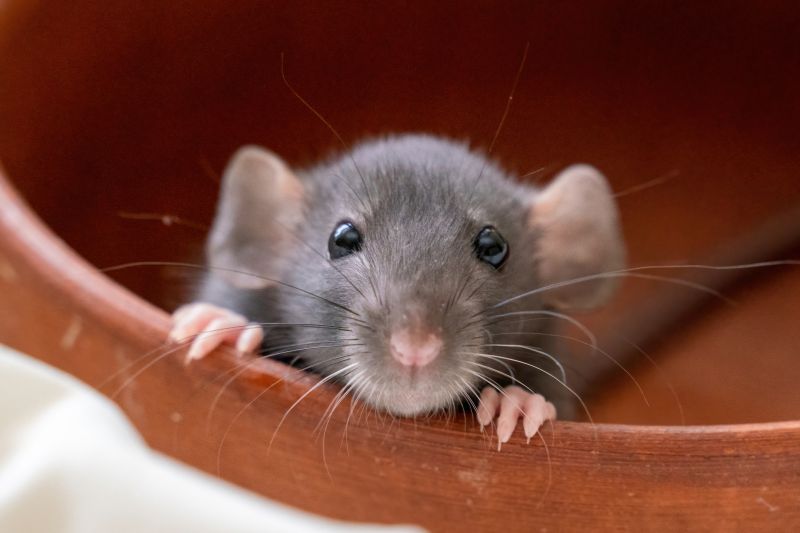
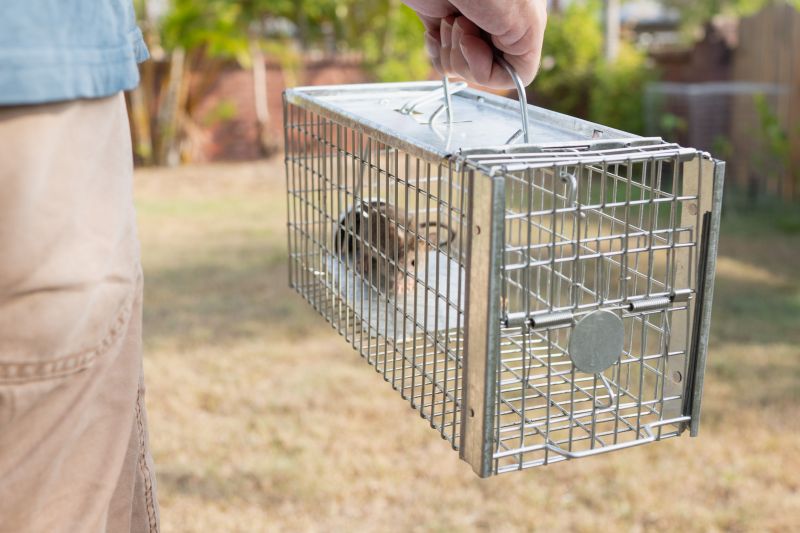
Recognizing the signs that a commercial property has a small animal issue often begins with everyday observations. Property owners might notice unusual noises coming from walls or ceilings, such as scratching or scurrying sounds, especially during quiet times of the day. Droppings or nesting materials found in storage areas, attics, or behind walls can also be indicators that small animals like rodents or squirrels have taken up residence. Additionally, property managers may see chewed wires, insulation damage, or other signs of gnawing that suggest an animal problem is developing. These common, straightforward signs can prompt property owners to seek the assistance of local contractors experienced in small animal removal.
In many cases, small animal issues can escalate quickly if left unaddressed, leading to further property damage or health concerns. Property owners in the area might look into small animal removal services when they observe persistent odors, unexplained debris, or evidence of activity in hidden or hard-to-reach spaces. Engaging with local service providers who specialize in these issues can help ensure the problem is handled efficiently and effectively. These professionals can assess the situation, remove the animals, and take steps to prevent future occurrences, helping to maintain the integrity and safety of the commercial property.
What are common signs that small animals are present in a commercial building? Unusual noises such as scratching or scurrying, droppings, chewed wires or materials, and sightings of small animals are typical indicators of a small animal issue on a property.
How can I tell if small animals have caused damage to my commercial property? Signs include gnawed or chewed structural elements, holes in walls or ceilings, and damaged insulation or wiring, which may point to small animal activity.
Are there specific odors that suggest a small animal infestation? Strong, musty odors or the smell of urine and droppings can indicate the presence of small animals in the building or its hidden spaces.
What should I look for to identify small animal entry points on my property? Look for small holes, gaps around pipes or vents, and damaged screens or vents that could serve as access points for small animals.
When is it advisable to seek professional small animal removal services? If signs of small animal activity persist or if there is visible damage or odor, consulting local contractors skilled in small animal removal can help address the issue effectively.
Unusual Noises - Hearing scratching or scurrying sounds inside walls or ceilings can indicate small animals have taken up residence, prompting a consultation with local contractors for removal.
Droppings and Nests - Finding small animal droppings or nesting materials around the property is a sign to seek professional help for safe removal and habitat elimination.
Damage to Structures - Chewed wires, insulation, or wood can signal small animal activity, encouraging property owners to connect with local service providers for inspection and removal.
Unpleasant Odors - Persistent, foul smells may point to hidden animal presence, making it practical to have local pros assess and address the issue effectively.
If you are thinking about signs your commercial property has a small animal issue for a property, this guide is meant to help you understand this topic, the typical project types, and how different options might fit your plans.
When you are ready, you can use the quote form on this page to share a few details about your project. From there, local pros can review the basics and follow up with options that match what you have in mind.