Signs Wildlife Has Moved Into Your Attic, Walls, or Crawl Space
If signs wildlife has moved into your attic, walls, or crawl space, local service providers can identify the intrusion and safely remove the animals.
Discovering signs that wildlife has moved into your attic, walls, or crawl space can be concerning for property owners. These signs often include strange noises at night, persistent odors, droppings, or damage to insulation and structural elements. Recognizing these early indicators is important, especially for those living in areas where wildlife such as raccoons, squirrels, or bats are common. Addressing these issues promptly can help prevent further damage, protect your home’s integrity, and ensure the safety of everyone inside.
When signs of wildlife presence are detected, connecting with experienced local contractors who specialize in wildlife removal can provide effective solutions. These professionals understand the habits of local animals and can help identify the species involved, safely remove them, and secure entry points to prevent future incursions. Exploring options for wildlife removal services ensures that property owners can resolve these issues efficiently and with minimal disruption, keeping homes safe and free from unwanted visitors.
- Attic wildlife intrusion - when signs wildlife has moved into your attic, local contractors can assess entry points and safely remove the animals.
- Wall cavity activity - if you notice scratching or droppings in walls, local service providers can locate and eliminate the pests causing the disturbance.
- Crawl space disturbances - signs such as odors or animal tracks in crawl spaces indicate the need for professional wildlife removal from local experts.
- Unusual noises at night - hearing sounds in your walls or attic after dark suggests wildlife presence, prompting local pros to handle removal and exclusion.
- Damage to insulation or wiring - visible damage or chewed wiring signals wildlife infestation, with local contractors providing safe removal and repairs.
When homeowners notice unusual activity or damage in hidden parts of their property, they often search for signs wildlife has moved into your attic, walls, or crawl space. This interest typically arises from observations such as strange noises during the night, scratching or scurrying sounds, or the presence of droppings and nesting materials in these secluded areas. People may also see bits of insulation disturbed or notice an increase in pest activity around the home. Recognizing these signs early is important because they can indicate an animal has taken up residence, which may lead to further property damage or health concerns if not addressed promptly.
The problems associated with wildlife inhabiting these spaces often relate to structural damage, contamination, and potential health risks. Animals like raccoons, squirrels, bats, or rodents can cause extensive damage by chewing through wiring, insulation, or wood framing. Their droppings and nesting materials can also create unsanitary conditions that promote mold growth or attract other pests. For property owners, these issues might be part of a larger plan to remove the animals safely and prevent future entry. Engaging with experienced wildlife removal service providers can help ensure that the animals are handled humanely and that the property is secured against re-entry.
The types of properties most commonly affected by wildlife intrusion include single-family homes, especially those with accessible attics and crawl spaces. Older houses with less secure entry points are particularly vulnerable, as animals can easily find small gaps or openings to enter. Rural properties, farmhouses, and homes near wooded areas are also at higher risk due to their proximity to natural habitats. Commercial buildings with similar structural features can experience wildlife issues as well, especially if they have poorly sealed areas or unused spaces. Recognizing the signs early and working with local contractors who specialize in wildlife removal can help restore safety and prevent ongoing problems.
Understanding how signs wildlife has moved into your attic, walls, or crawl space connect to real projects is key for homeowners facing these issues. When signs are detected, local wildlife removal professionals can evaluate the situation, identify the animal species involved, and implement safe removal and exclusion strategies. These experts are skilled at sealing entry points and cleaning up after the animals, reducing the risk of damage or health hazards. Connecting with local service providers ensures the work is handled efficiently and humanely, helping to restore peace of mind and protect the home from further wildlife-related issues.
Attic insulation services - professionals who install or repair attic insulation often handle situations where wildlife has caused damage or contamination, helping to restore insulation integrity.
Pest proofing and exclusion - contractors specializing in sealing entry points and blocking wildlife access are skilled in preventing future invasions into walls, attics, or crawl spaces.
Structural repair and reinforcement - experts who repair damaged walls, rafters, or flooring due to wildlife activity can address the structural issues caused by animals nesting or chewing.
Odor removal and sanitation - service providers experienced in cleaning and deodorizing spaces affected by animal droppings or carcasses ensure safe, odor-free environments.
Crawl space encapsulation services - specialists who seal and insulate crawl spaces often deal with wildlife intrusion, helping to prevent ongoing problems and improve home comfort.
Roof repair and maintenance - roofers who fix leaks and reinforce roofing structures frequently address damage caused by wildlife entering through vents or gaps in the roofline.
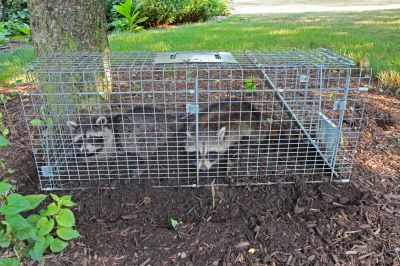
When evaluating wildlife removal services, it’s important to consider the experience that local contractors have with similar projects. A provider with a proven track record handling issues like wildlife in attics, walls, or crawl spaces can offer insights into effective strategies and solutions. Asking about their experience with different types of wildlife and the complexity of past jobs can help gauge their familiarity with the challenges specific to this type of work. Experienced service providers are more likely to understand the signs wildlife has moved into your home and the best methods for humane removal and prevention.
Clear, written expectations are essential when choosing a wildlife removal contractor. A reputable local service provider should be able to outline the scope of work, the steps involved in wildlife removal, and any follow-up measures necessary to prevent future intrusions. Having this information in writing helps ensure there are no misunderstandings about what the job entails and provides peace of mind that the process will be handled thoroughly. It also allows homeowners to compare different contractors based on the clarity and completeness of their proposals.
Reputable references and good communication are key factors when selecting local contractors for wildlife removal. Service providers who can provide references from previous clients demonstrate transparency and confidence in their work. Additionally, clear and responsive communication throughout the process helps homeowners stay informed and address any concerns promptly. This level of professionalism can make the experience of dealing with signs wildlife has moved into your attic, walls, or crawl space more straightforward and less stressful, ensuring the job is completed to satisfaction.
Property owners often search for signs wildlife has moved into your attic, walls, or crawl space when they are planning practical projects around their homes and businesses. Local pros provide Wildlife Removal services for everyday jobs and straightforward project options.
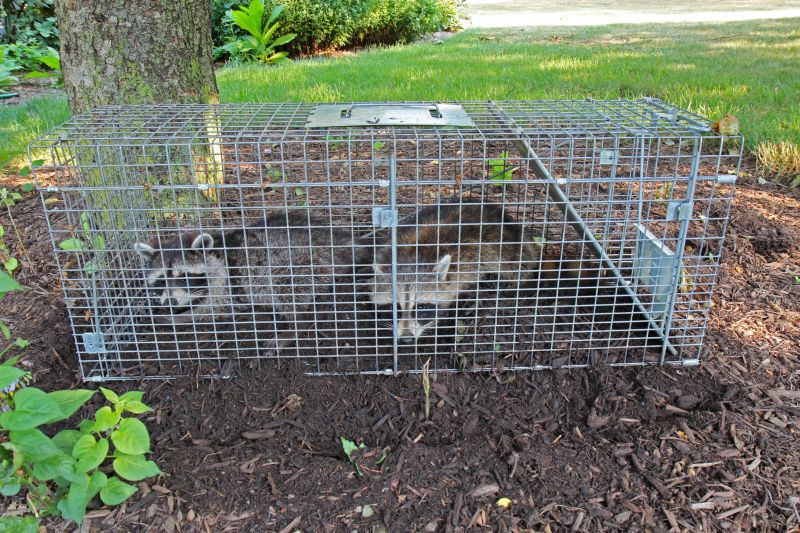
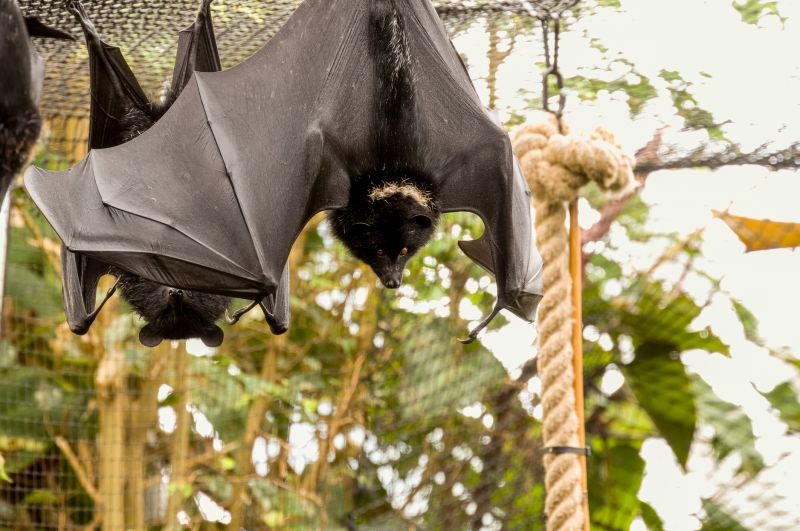
Property owners in the area often notice unusual sounds, such as scratching or scurrying, coming from their attic, walls, or crawl space. These signs wildlife has moved into your attic, walls, or crawl space can be difficult to ignore, especially when they coincide with other indicators like droppings, nests, or a strong animal odor. Recognizing these early warning signs can help prevent further damage to the property and reduce potential health risks associated with animal intrusion.
When these signs are observed, many property owners consider reaching out to local contractors who specialize in wildlife removal. These service providers are equipped to handle the safe and humane removal of animals that have taken up residence in hidden parts of a home. Connecting with experienced wildlife removal professionals can ensure the problem is addressed effectively, helping to restore the safety and comfort of the space while preventing future intrusions.
What are common signs wildlife has moved into your attic, walls, or crawl space? Unusual noises, such as scratching or scurrying sounds, along with droppings or nesting materials, often indicate wildlife presence in hidden areas like attics or walls.
How can I tell if animals are active inside my walls or attic? Visible damage, such as chewed wires, insulation disturbance, or holes in the structure, combined with persistent noises, suggest wildlife has taken up residence.
What should I look for to identify signs wildlife has entered my crawl space? Look for animal tracks, droppings, or evidence of nesting materials, as well as odors that may indicate animal activity beneath the home.
Why is it important to have wildlife activity in my home inspected? A professional inspection can confirm the presence of wildlife, assess potential damage, and recommend safe removal and exclusion methods to prevent future issues.
How do local service providers handle signs wildlife has moved into my property? Experienced contractors identify entry points, safely remove the animals, and implement exclusion measures to prevent re-entry, ensuring the safety of your home and inhabitants.
Identify entry points - inspecting your property for small openings or damage can help determine where wildlife may be gaining access to your attic, walls, or crawl space, enabling targeted removal efforts by local contractors.
Monitor for signs of activity - noticing scratching sounds, droppings, or nesting materials inside your home can alert property owners to wildlife presence, prompting professional removal and exclusion services.
Check for damage or chewed materials - damaged insulation, wires, or building materials can indicate wildlife activity, making it easier for local service providers to locate and remove the animals safely.
Assess odors or unusual smells - persistent musty or foul odors near walls or attics can signal the presence of wildlife, encouraging property owners to seek expert removal and prevention solutions.
If you are thinking about signs wildlife has moved into your attic, walls, or crawl space for a property, this guide is meant to help you understand this topic, the typical project types, and how different options might fit your plans.
When you are ready, you can use the quote form on this page to share a few details about your project. From there, local pros can review the basics and follow up with options that match what you have in mind.